Tel.: +421 2 222 000 24

We specialize in spa and wellness stays.
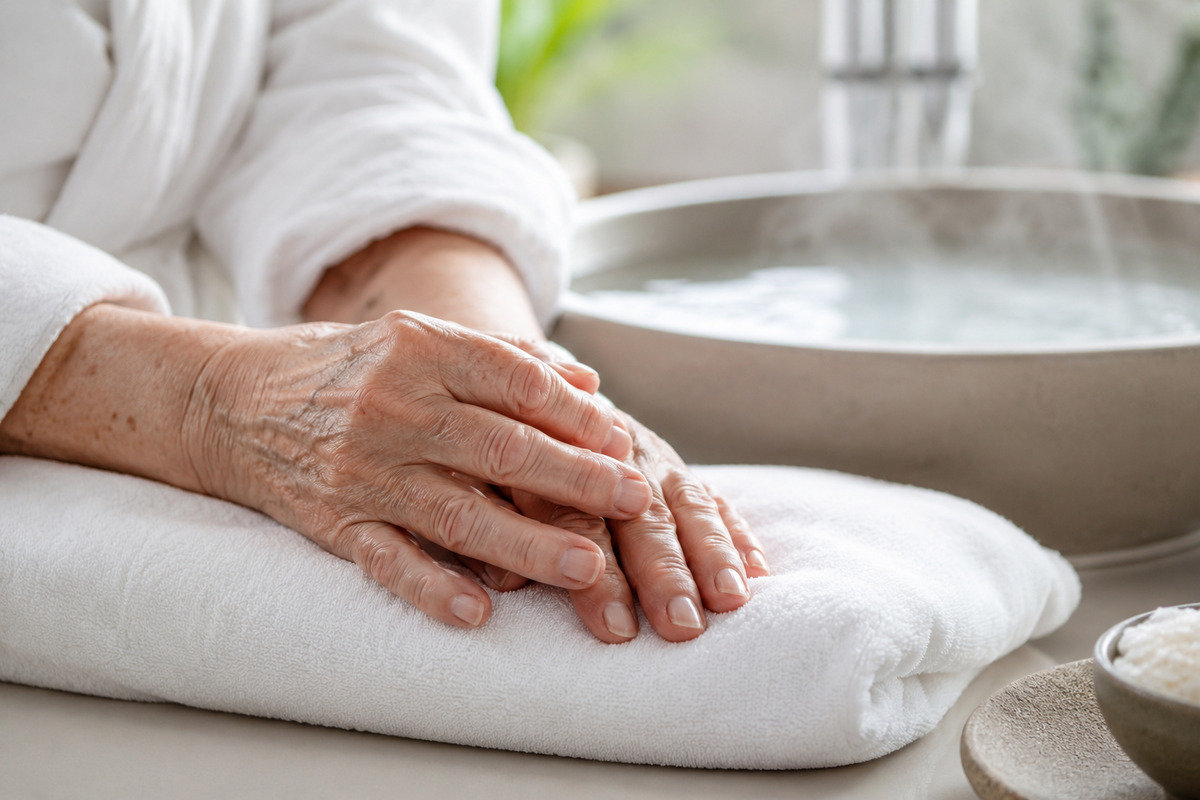
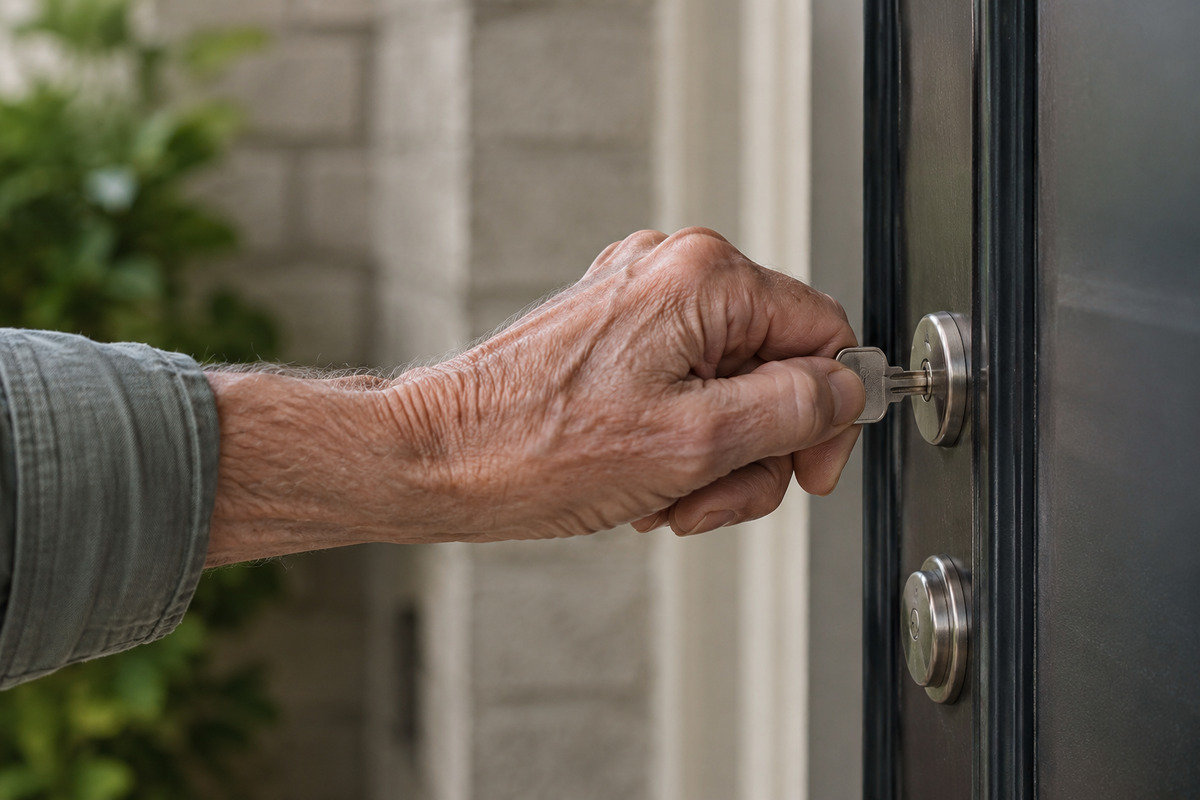
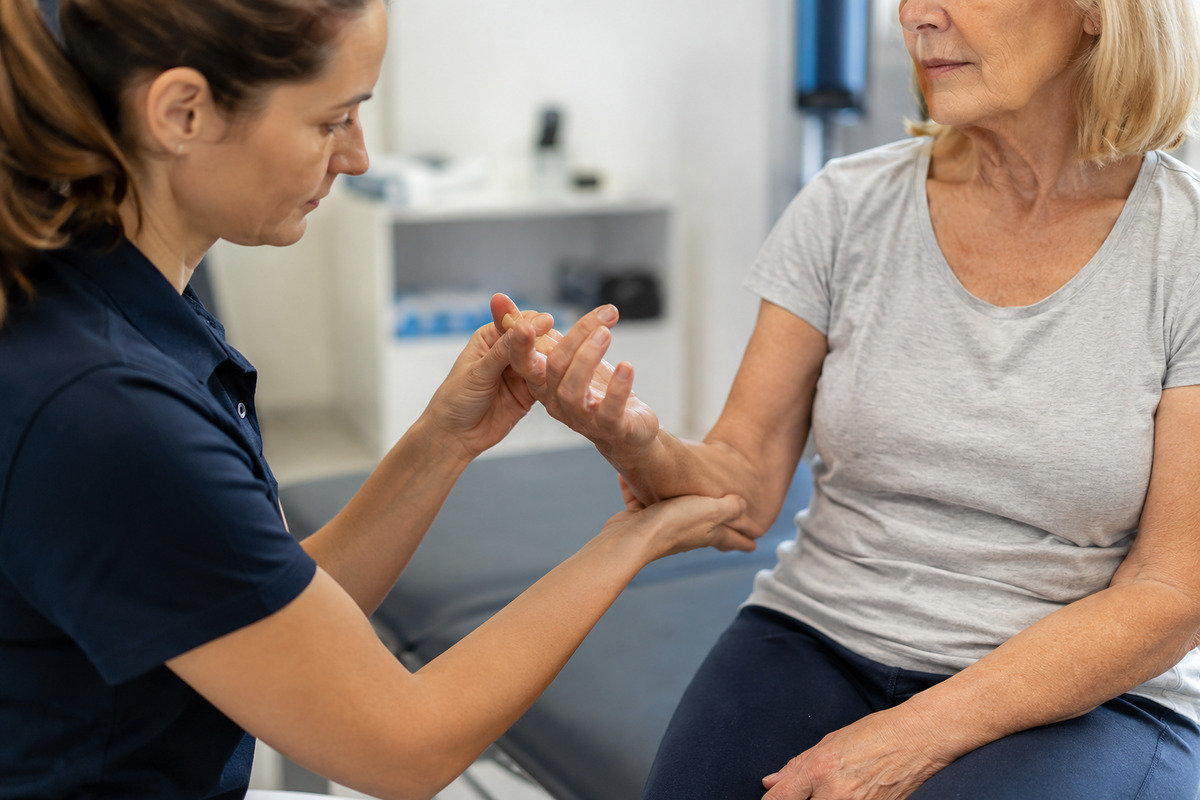


Morning stiffness of the fingers, unpleasant pressure even when simply turning a key in the lock, or the quiet, persistent pain that emerges with every weather change. If you are familiar with these sensations, you are likely looking for a way to restore lost flexibility to tired and aching hands and ease the continuous tension. Rheumatoid arthritis—a chronic inflammatory disease of the immune system that primarily attacks the joint linings—can significantly complicate even the simplest daily activities. Although a lifelong companion, nature, in combination with balneotherapy—a treatment using natural mineral springs and healing mud—offers proven supportive methods that can help calm inflammation, reduce swelling, and bring desired relief to the hands.
Our hands are masterpieces of anatomy. They consist of dozens of small bones, tendons, and joints that allow us to perform precise movements. However, this complexity makes them particularly vulnerable. In rheumatoid arthritis, the body's own defense system attacks the inner lining of the joint capsule that produces joint lubricants.
When chronic inflammation erupts at this site, the lining thickens, the joint swells, and becomes painful and warm to the touch. Over time, this process can lead to cartilage and ligament damage, resulting in finger deformities and limited mobility.
Spa treatments and balneotherapy can significantly help alleviate pain, morning stiffness, and improve overall joint functionality, but they do not replace the basic treatment of rheumatoid arthritis prescribed by a rheumatologist. The progression of this condition is mostly slowed by specific pharmacological preparations, such as disease-modifying antirheumatic drugs and modern biological therapies, not merely spa treatments. However, spa therapies serve as a valuable complement to standard medical treatment.
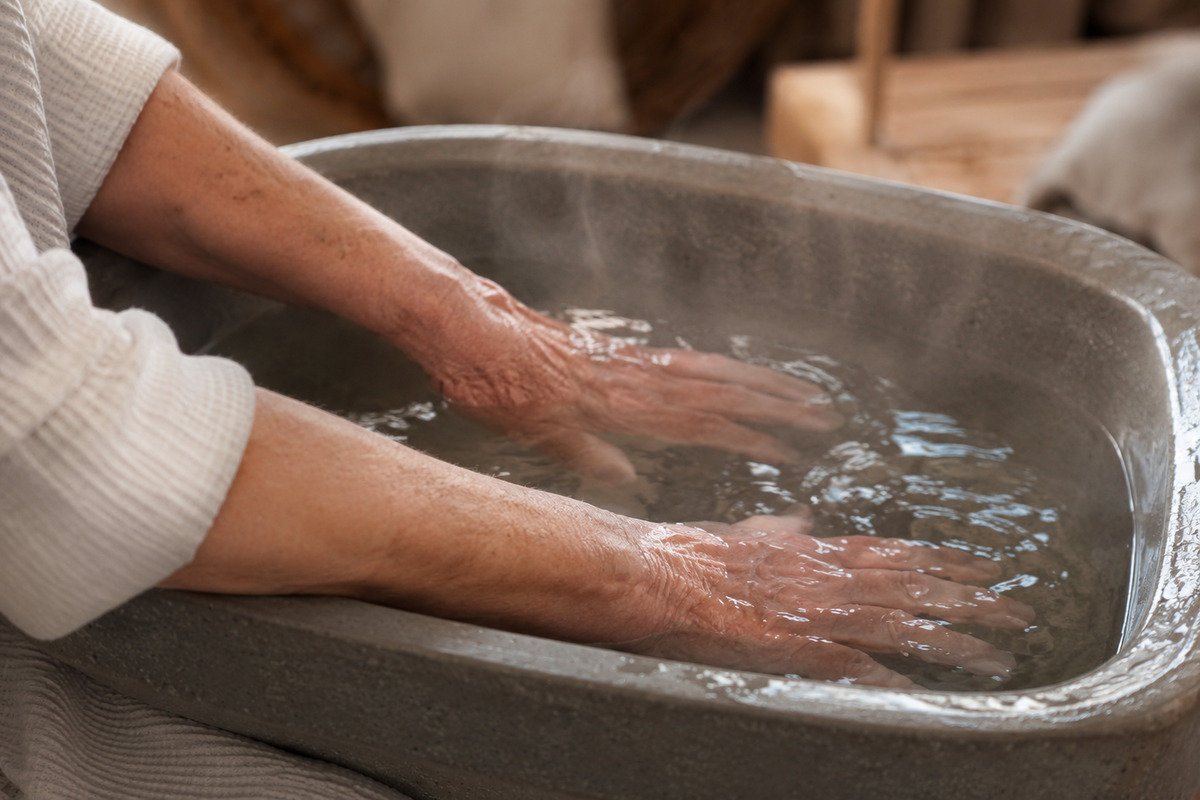
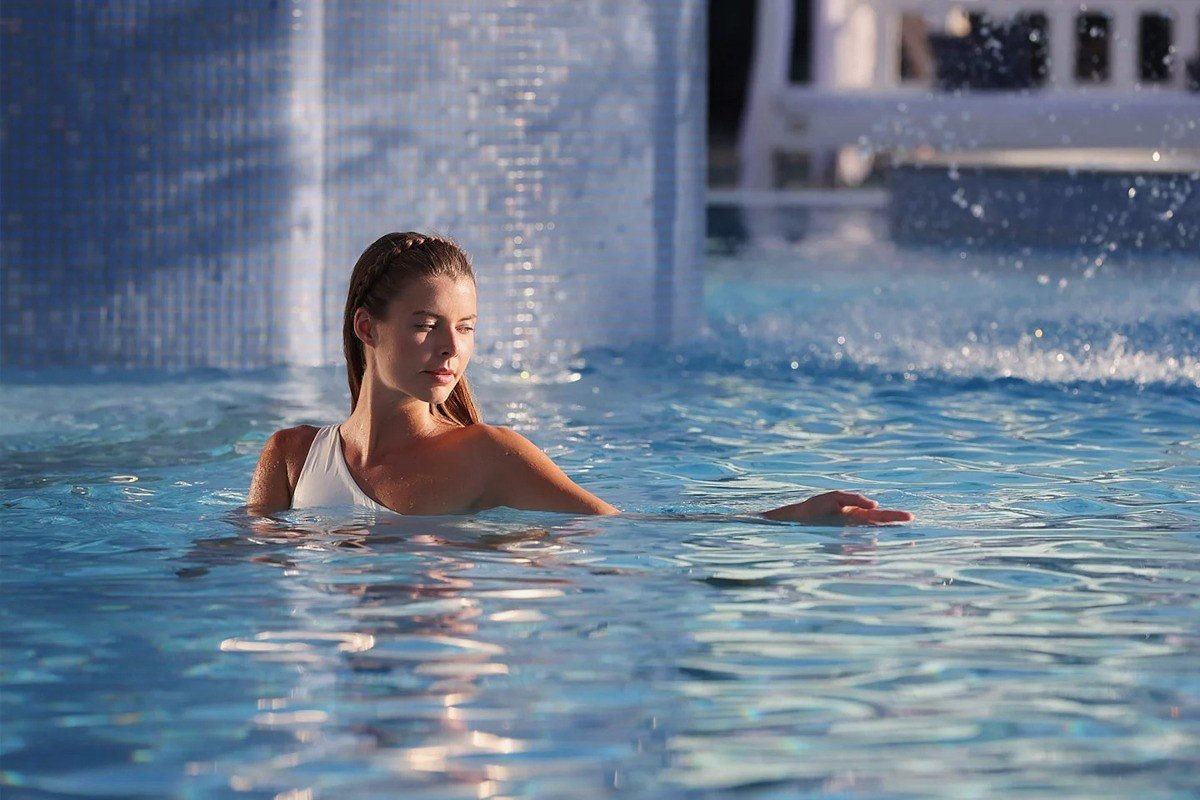
One of the main pillars of spa care for the musculoskeletal system is hydrothermal therapy—the therapeutic use of water's thermal energy on the human body. Warm mineral springs affect the stiff joints of the hands on multiple levels simultaneously:
● Supporting microcirculation: Heat affecting the hands causes vasodilation—widening of blood vessels. This allows more blood to flow into the tissues, helping better oxygenation and nutrient distribution.
● Helping clear metabolic waste: Enhanced blood flow can help the body more efficiently remove local metabolic waste and inflammatory mediators—chemical substances that carry inflammation signals and stimulate the sensation of pain.
● Relieving muscle tension: Prolonged pain often forces muscles around joints into constant spasmodic contraction. Warm mineral water releases this tension, reducing mechanical pressure on the joint surfaces themselves.
Mineral waters in specialized spas contain substances traditionally believed to benefit the musculoskeletal system and are subjects of balneological research. Natural components like sulfur have been long used in spa practices and may have mild local anti-inflammatory or analgesic—pain-reducing—effects.
Clinical reviews by rheumatological societies suggest that although balneotherapy cannot reverse structural changes in joints, it can contribute to the relief of chronic pain and overall tissue relaxation.
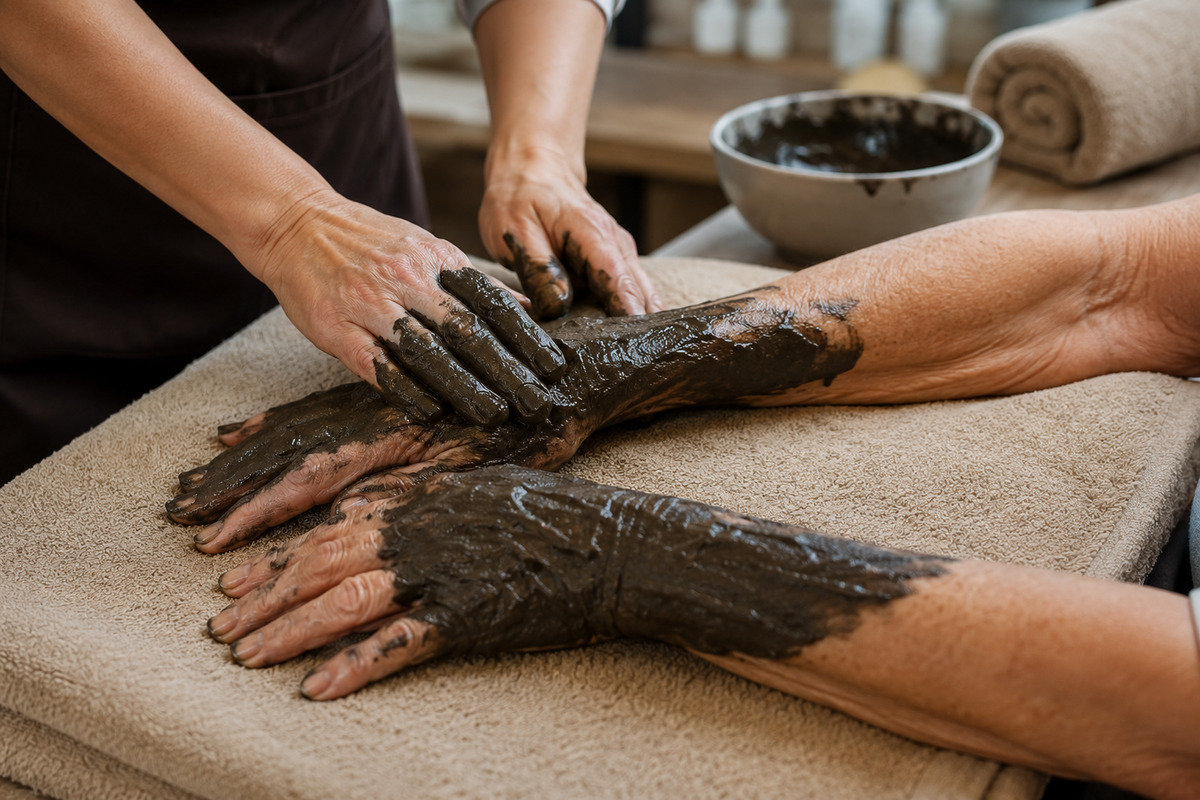
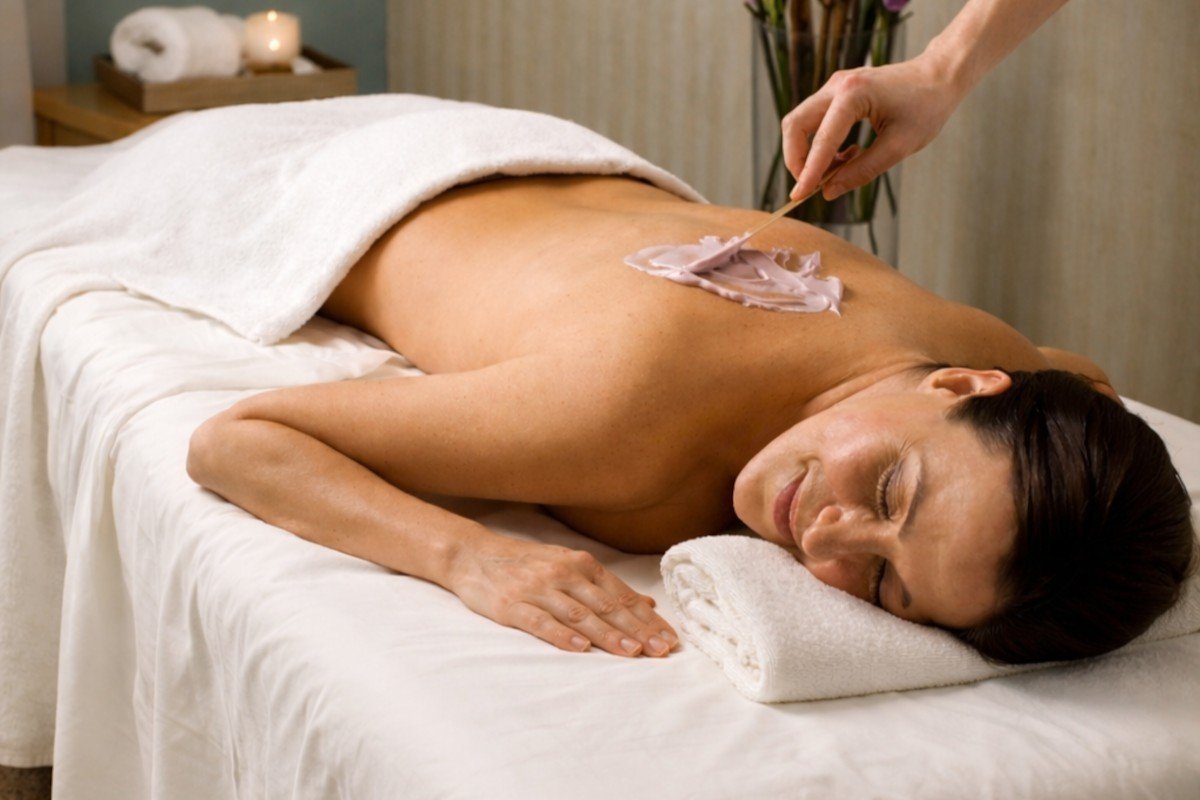
While a mineral bath harmonizes the entire body, targeted local wraps on the hands represent concentrated therapy directly aimed at affected areas. In spa practices, healing mud (peloids) or pure paraffin are most commonly used.
Natural healing mud is remarkable for its ability to accumulate heat, which it gradually and evenly transfers to affected joints, achieving deep and safe heating of even the smallest joint structures in the fingers and wrists. Imagine it as a warm, thick glove enveloping every joint, helping release stiffness in tendons and muscle insertions, and providing tired hands with deep relief.
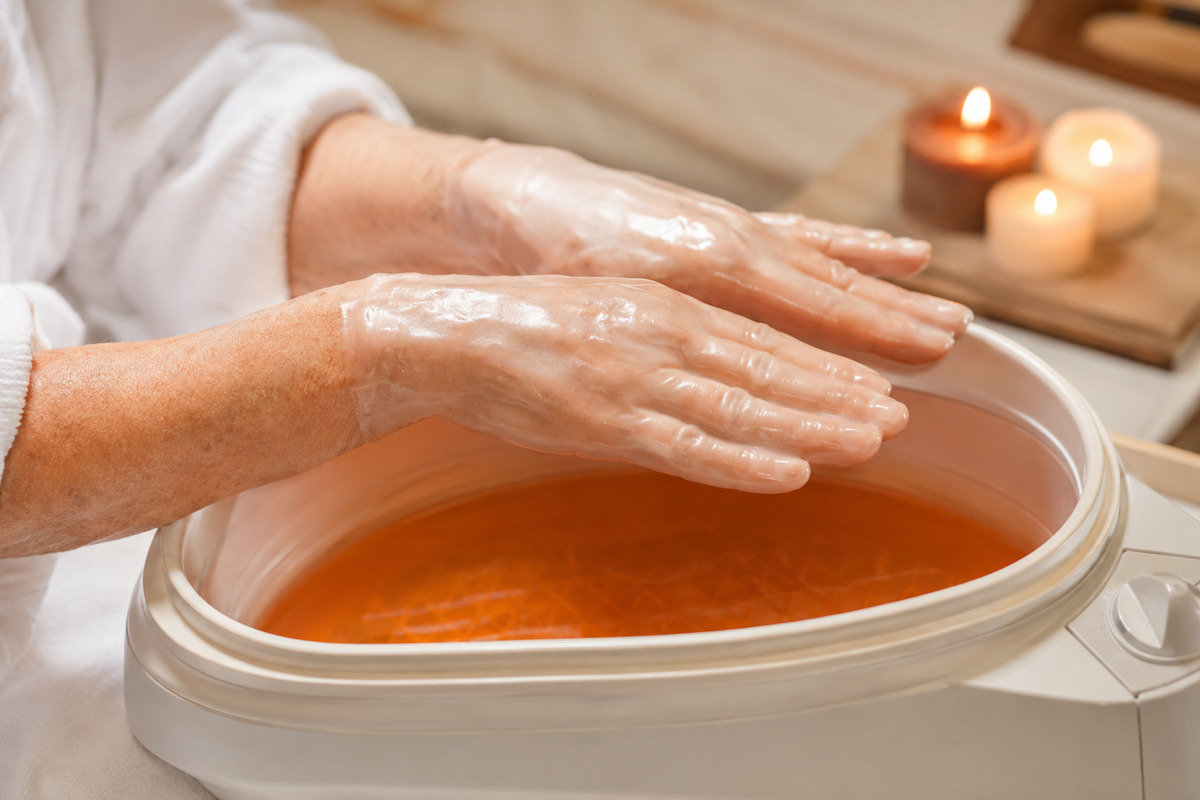
Paraffin is a special wax applied warm and liquid. When you repeatedly dip your hands into it, a continuous warming layer is formed on them. During cooling and hardening, paraffin slightly decreases in volume, applying gentle compression—mechanical pressure—on the joints. This pressure, combined with intensive yet gentle heat, helps reduce tension, softens stiff tissues, and optimally prepares the hands for subsequent personal rehabilitation or therapy exercises.
It might seem that similar relief can be achieved at home with a hot bath or warming gels. Home care is a great daily supplement but cannot fully replace supervised spa treatments. Rheumatoid arthritis is characterized by variable progression—periods of relative calm (remission) alternate with periods of acute flare-ups (attacks).
Applying intense heat at the wrong time might cause harm rather than providing relief. If a joint is in a state of acute, highly active inflammation (it is red, hot, and severely swollen), direct heat exposure would only exacerbate the inflammatory response. Instead, local cooling (cryotherapy) is preferred in the acute phase.
This is why expert medical supervision and therapy guidance are essential. A spa doctor, based on your current health status and your rheumatologist's recommendations, will precisely specify not only the temperature of water and wraps but also the correct timing and combination of procedures to ensure they are maximally safe and beneficial for you.
Regular, medically supervised balneotherapy brings results that are especially appreciated in the long term after returning home. What realistic expectations can you have from a comprehensive therapeutic stay?
After two weeks of


 for more than 25 years
 100% Guarantee
 verified by clients
 we will advise you