Tel.: +421 2 222 000 24

We specialize in spa and wellness stays.
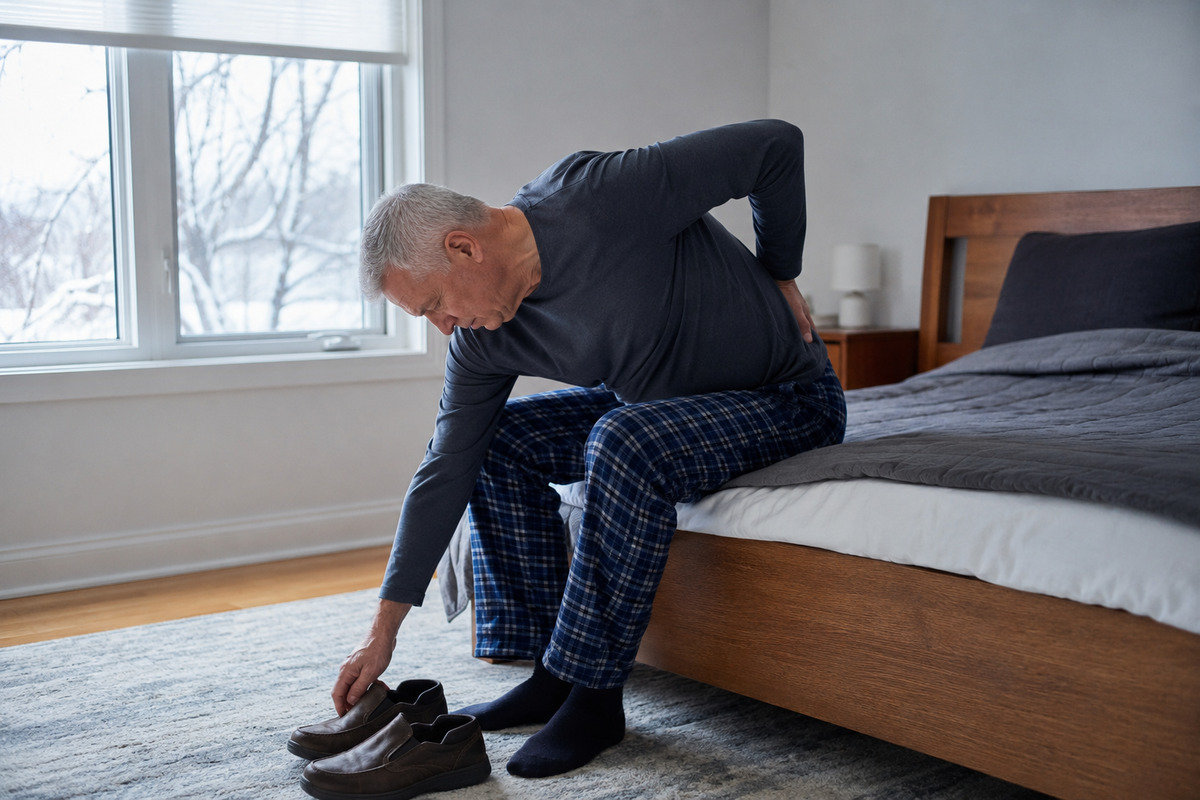

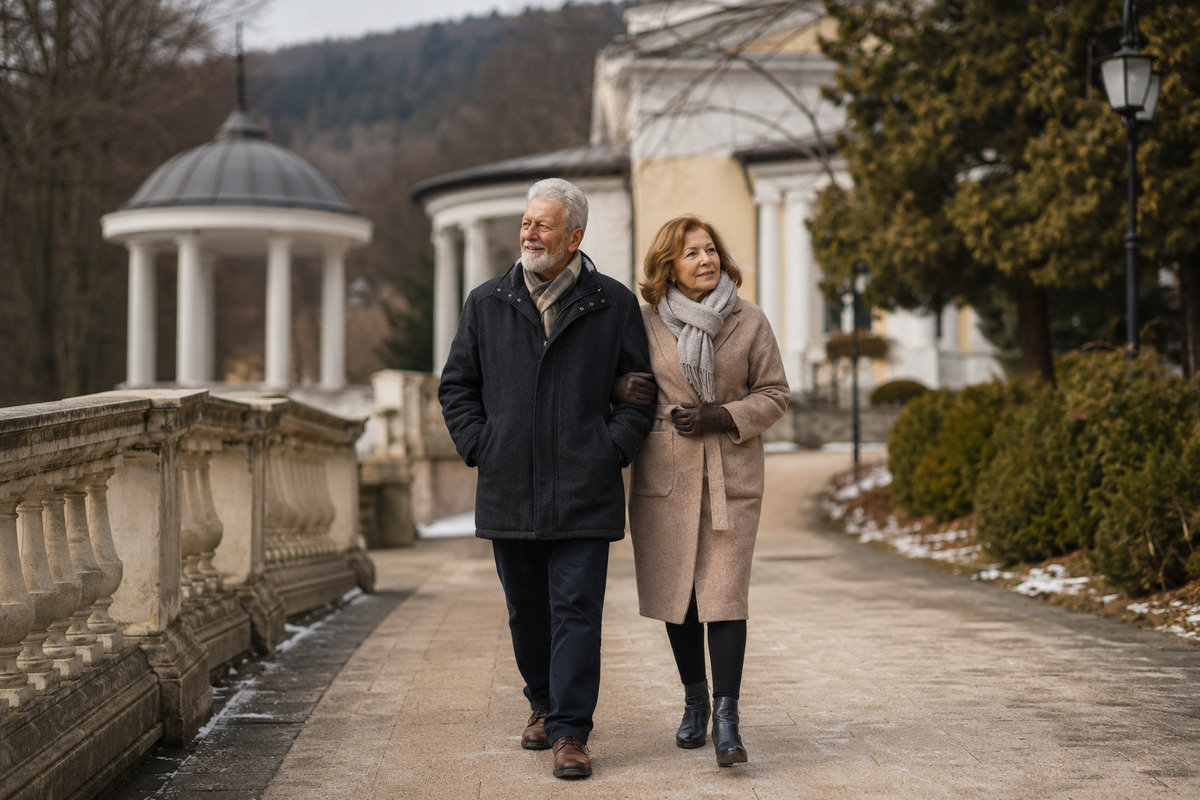
Do you know that feeling when you get out of bed on a winter morning, and turning your neck or bending down to your shoes hurts a little more than in summer? Many people think that winter stiffness, joint pain, and constant shoulder tension automatically come with cold weather. However, in cold months, the body reacts to environmental conditions by constantly contracting muscles, which overloads the entire musculoskeletal system. If you're looking for true relief, a summer vacation paradoxically won’t provide it as much as a winter one. It is precisely the frosty months that are the best time when hot thermal water can bring the greatest relief to your muscles.
When we say spa stay, most of us automatically think of summer colonnades and sunshine. Summer is pleasant for the psyche, but for deep muscle regeneration, winter has a significant upper hand. The whole secret lies in thermal contrast and hydrostatic pressure—the pressure that water exerts on the submerged body—which together trigger an immediate healing response in the organism.
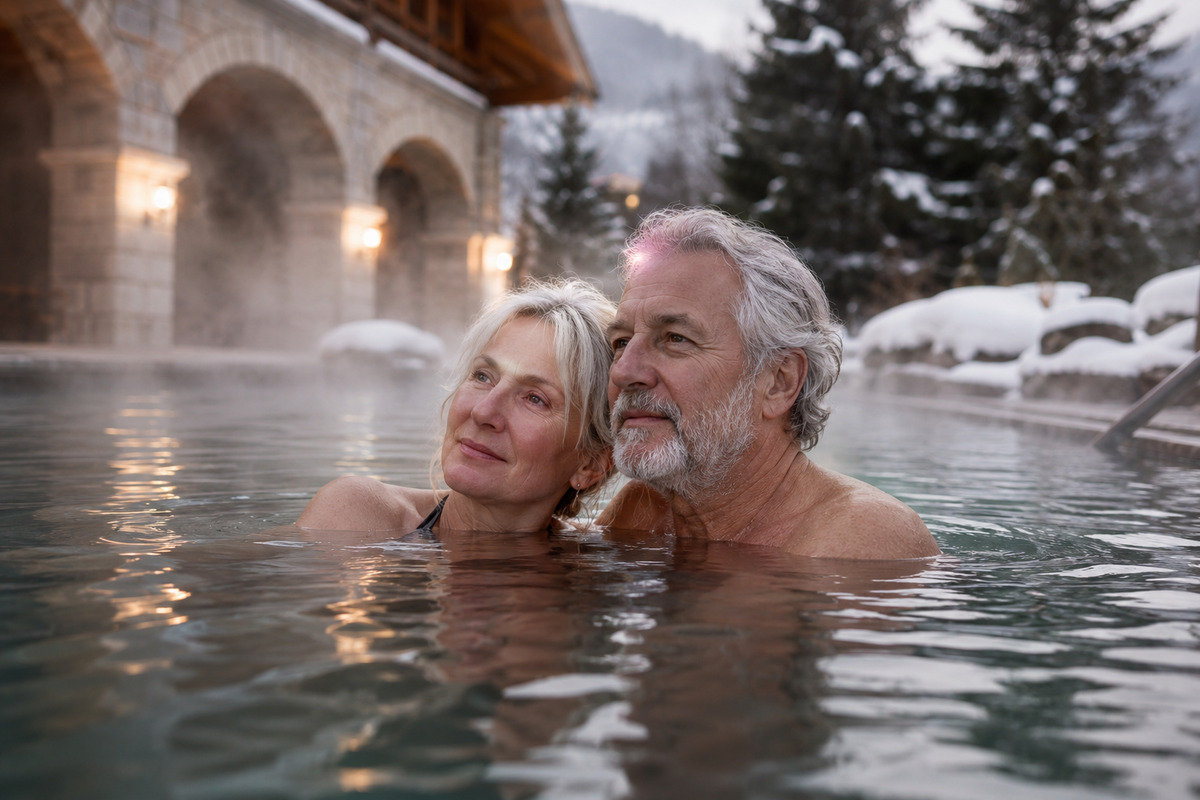
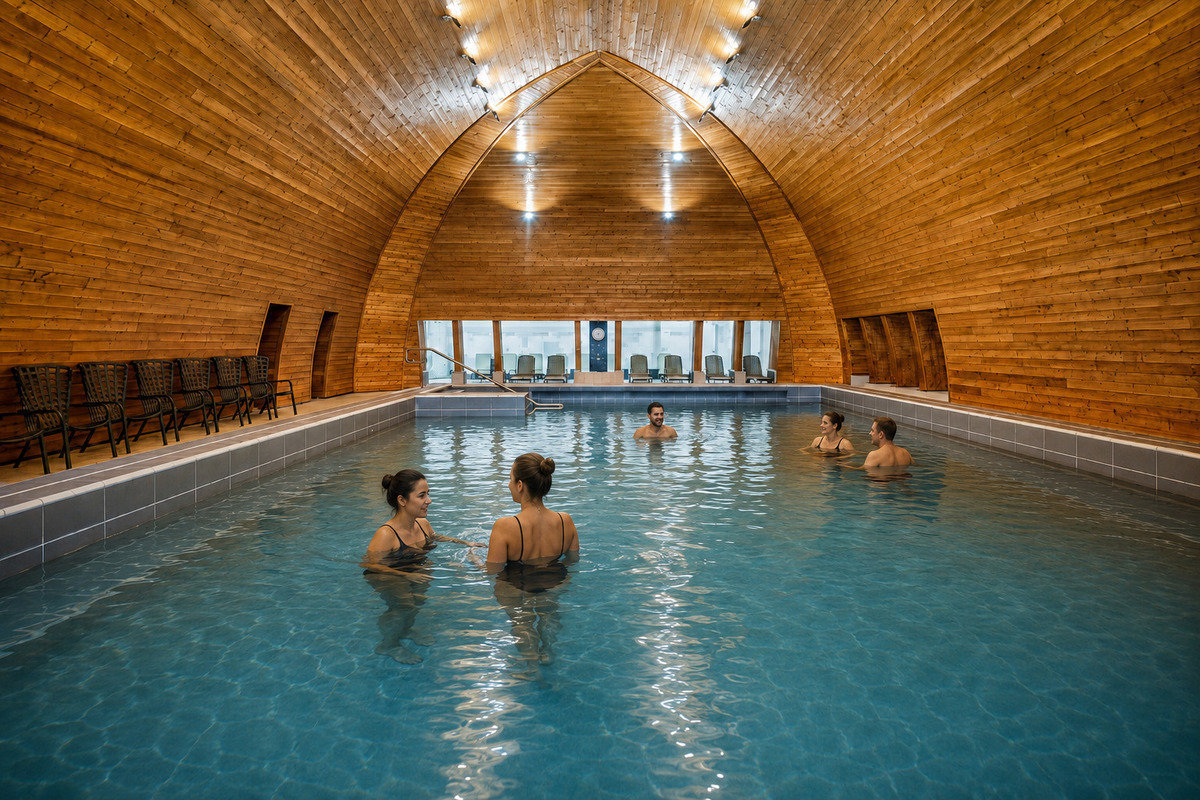
Imagine the moment: snow flutters outside, the air is sharp and clear, and you immerse yourself in a thermal spring with a temperature of around 38°C.
What is happening inside you at that moment?
● Vasodilation – widening of blood vessels: Hot water rapidly expands the blood vessels. Blood suddenly rushes into the stiffened and cooled-down muscles.
● Quickly washing away pain: With intense blood flow, a dose of oxygen and nutrients reaches the tissues. At the same time, waste products that directly cause the sensation of muscle soreness and stiffness are more quickly washed from the muscles.
● absolute relief: Water supports your tired body and takes on most of your weight. Muscles that constantly fight gravity and involuntarily contract from cold can finally relax.
In summer, you can never achieve this effect as intensely. Since it is hot outside, the transition into warm water is not such a strong stimulating impulse for the circulatory system. Winter simply forces the body to regenerate much faster and more deeply.
Thermal medicinal springs are not merely ordinary warm water. They are rich in minerals, which during a winter bath penetrate through enlarged skin pores directly to the pain sites. In winter, during which the body generally suffers from a lack of sunlight, this absorption is even more effective.
If you have bothersome chronic back pain or early-stage arthritis, springs high in sulfur content are crucial for you. Sulfur is a fundamental building block for cartilages and tendons. In a warm bath, it helps restore the elasticity of tissues and eases inflammatory processes. Thus, movement ceases to be a problem.
Do you suffer from calf cramps at night or an uncomfortable tension in the neck area? Magnesium found in thermal water acts as a natural relaxant—a substance that releases muscle tension. Together with calcium, it soothes nerve endings and blocks the transmission of pain signals. You leave the bath with the feeling that your muscles have finally relaxed.
A short wellness weekend is not enough for a tired musculoskeletal system. True change requires time and conceptual care. If you invest in a thorough two-week stay, you'll return home like a new person.
Two weeks at the spa often do more than long months of regular rest at home.
At the beginning of your stay, you might arrive with typical winter fatigue, back pain from constant sitting, and limited range of motion. The first few days, your body processes the influx of minerals and heat. However, around the seventh day, a significant breakthrough occurs.
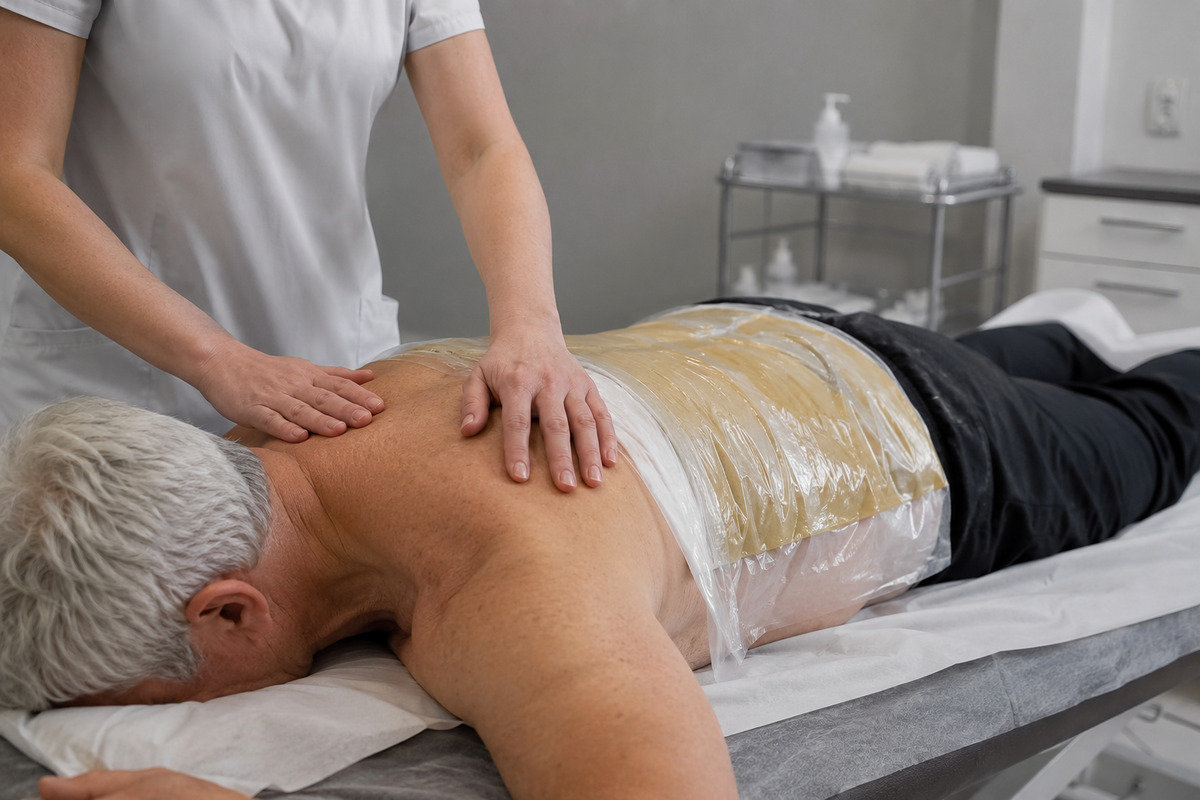
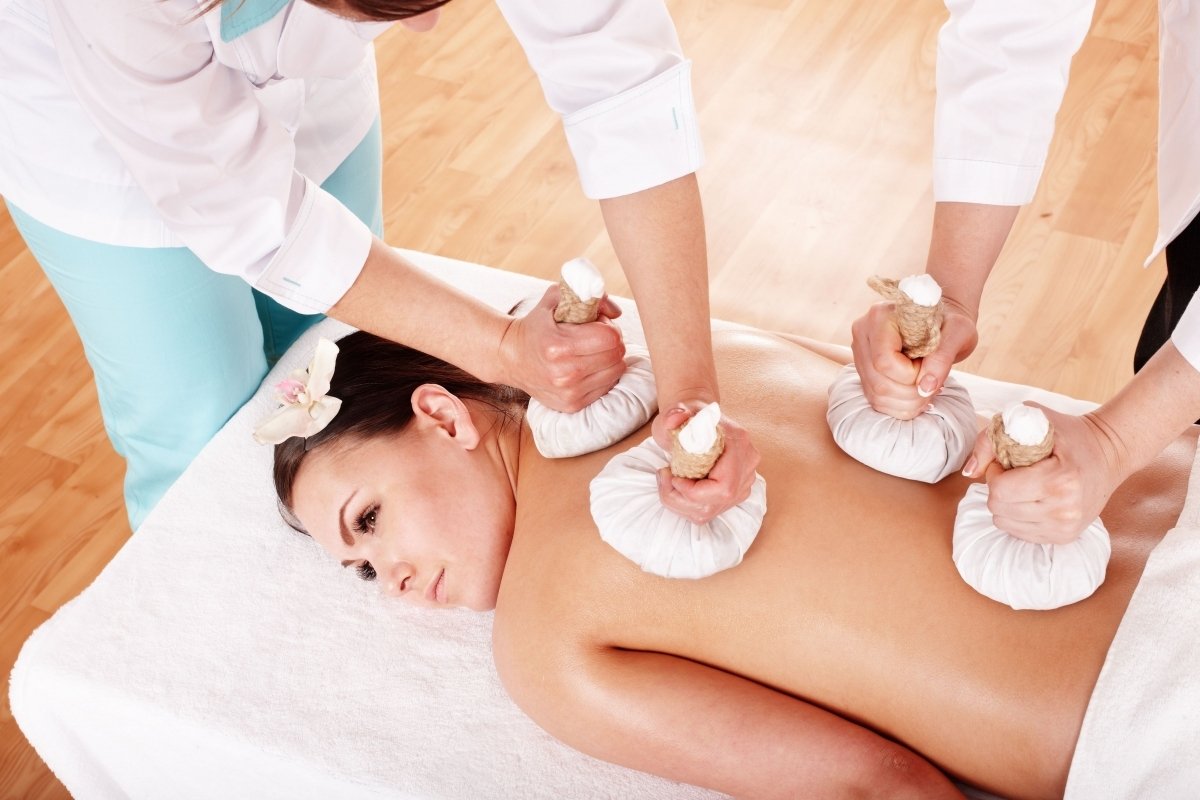
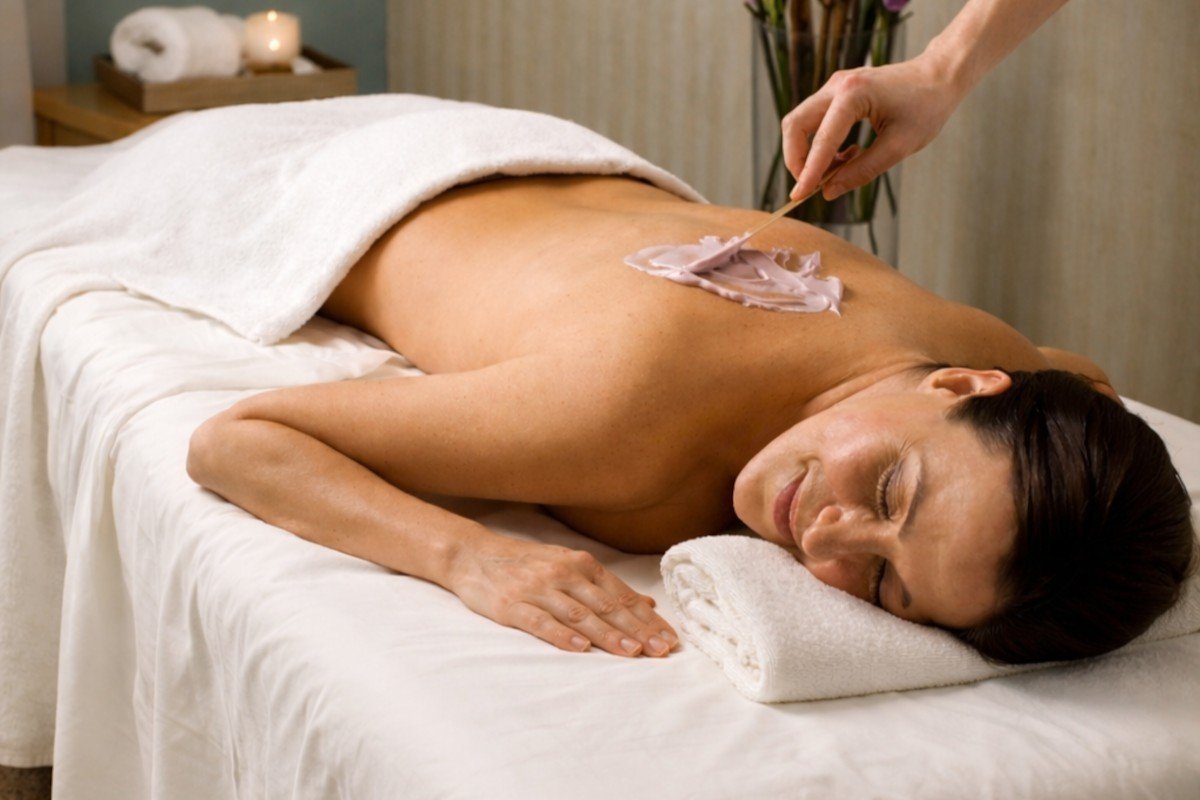
The combination of thermal baths and targeted thermotherapy—i.e., heat treatment using wraps—relieves deep-seated blocks that regular massage can't reach. After two weeks, you'll find that morning wake-ups are no longer accompanied by that unpleasant, familiar tension. Muscles are flexible and joints are loosened up.
The relief isn’t felt only at the spa, but for many weeks after returning home.
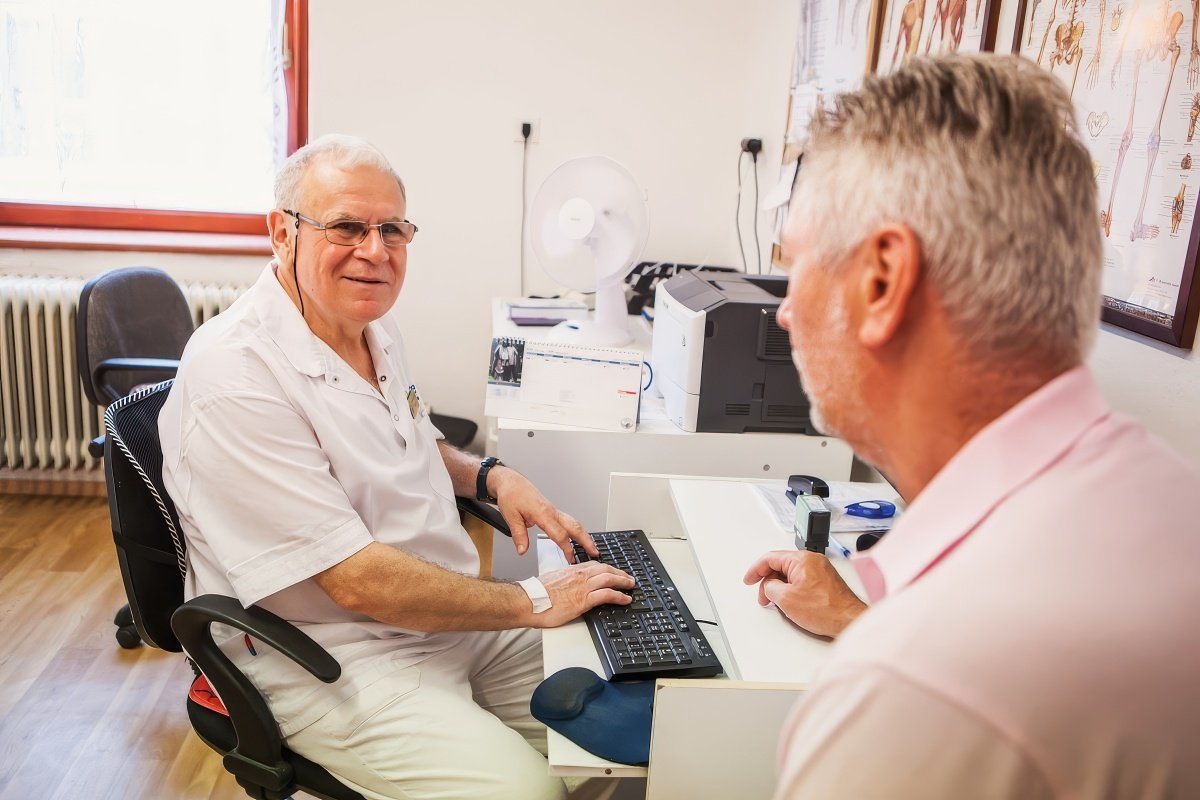
Heat treatment has immense power, but it requires a reasonable approach. Since temperature alternations significantly affect the cardiovascular system—meaning the heart and blood vessels—any stay should be conducted under expert supervision—that is, under the direct observation of a physician. In a quality spa, you are examined by a specialist before entering the springs. They determine precisely what water temperature is safe for you and how long you can stay in it. The doctor will also devise an individual procedure plan to ensure they complement each other.
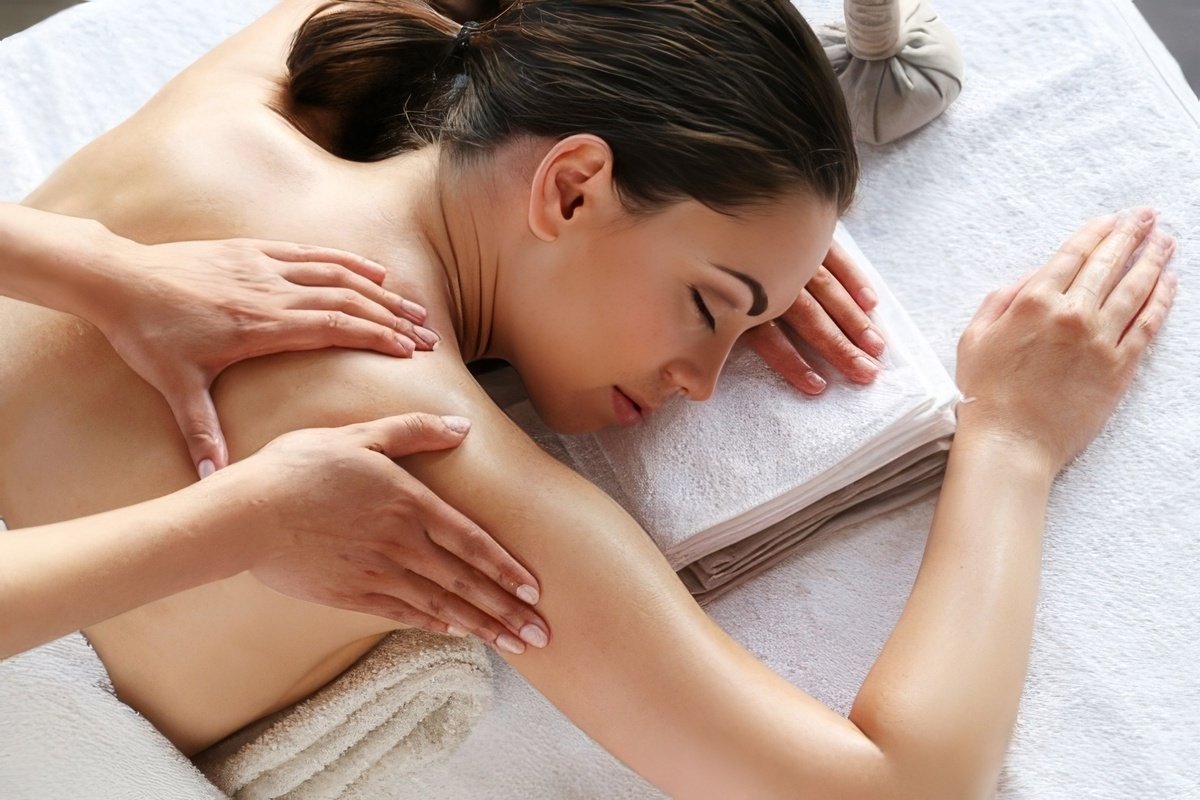
While the thermal bath relaxes and warms up the muscles, a subsequent reflex massage or dry carbon dioxide bath completes the whole regeneration process without unnecessarily straining your heart.
That is the main difference between an ordinary wellness visit and real treatment which brings long-term results.
Winter doesn’t have to be a period that you merely passively endure wrapped in a blanket, feeling that stiff joints simply belong to cold months. You can transform it into the most effective time for rebooting your health.



 for more than 25 years
 100% Guarantee
 verified by clients
 we will advise you