Tel.: +421 2 222 000 24

We specialize in spa and wellness stays.

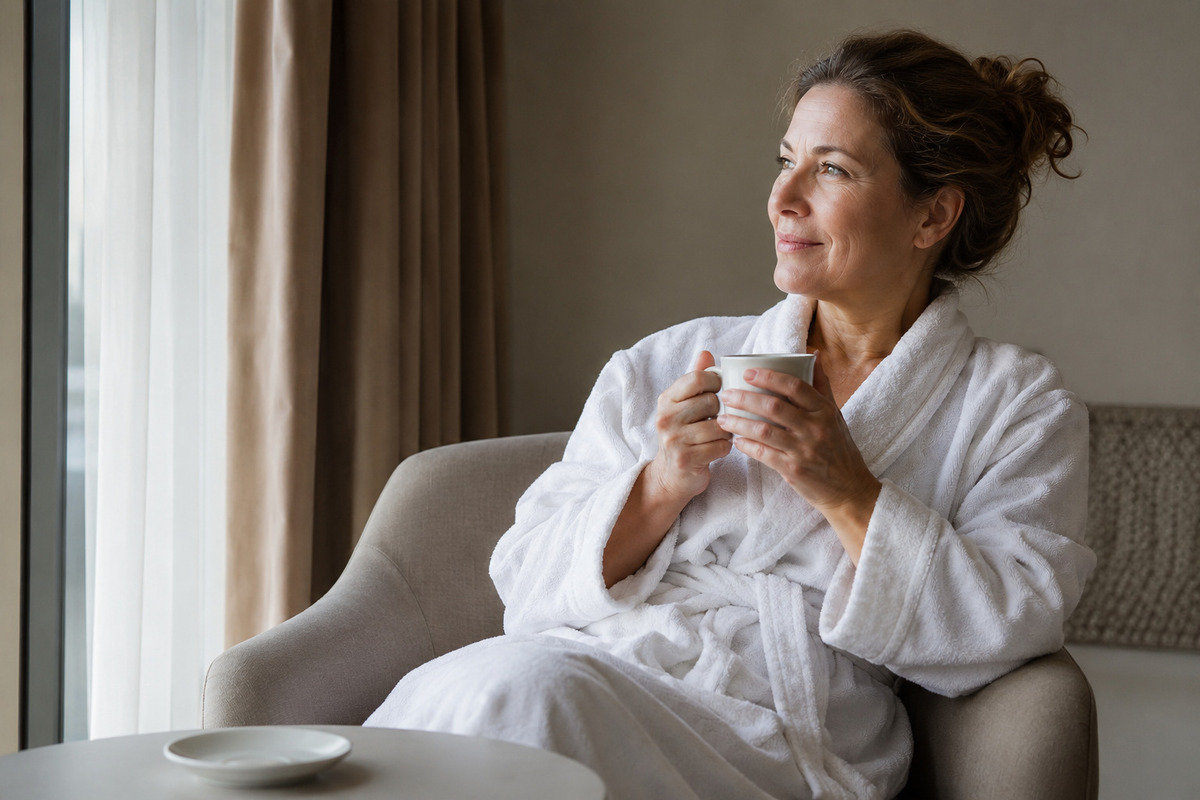




When the body starts to signal for attention and fatigue becomes a permanent companion, we naturally seek ways to relieve it. Often, we find ourselves standing at a crossroads of decision-making – is a quick extended weekend enough to recharge, or does my body require a more systematic space for regeneration? Choosing the right length of stay is not just a question of free time but primarily of the biological processes occurring in our bodies. To maximize the return on your investment in well-being, let’s look at how the human body responds to short-term rest and what deeper regeneration truly demands.
Short-term stays lasting three to four days have become extremely popular in today's fast-paced world. They act as an excellent filter for acute exhaustion, but it's important to have realistic expectations. In three days, we cannot reverse chronic conditions that have accumulated for months or years, but we can provide tired bodies with a crucial interim rest.
The main benefit of a short break is an immediate escape from the carousel of duties and a transition into relaxation mode. This time frame is sufficient to calm constant mental activity and alleviate tensions brought on by sedentary work or a monotonous daily routine.
A change of scenery and cutting away from daily worries provides an instant psychological relief and a demonstrable reduction in perceived stress. The combination of a quiet environment, the absence of morning alarms, and overall calming atmosphere significantly aids the body in battling ongoing fatigue and effectively supports the natural sleep cycle.
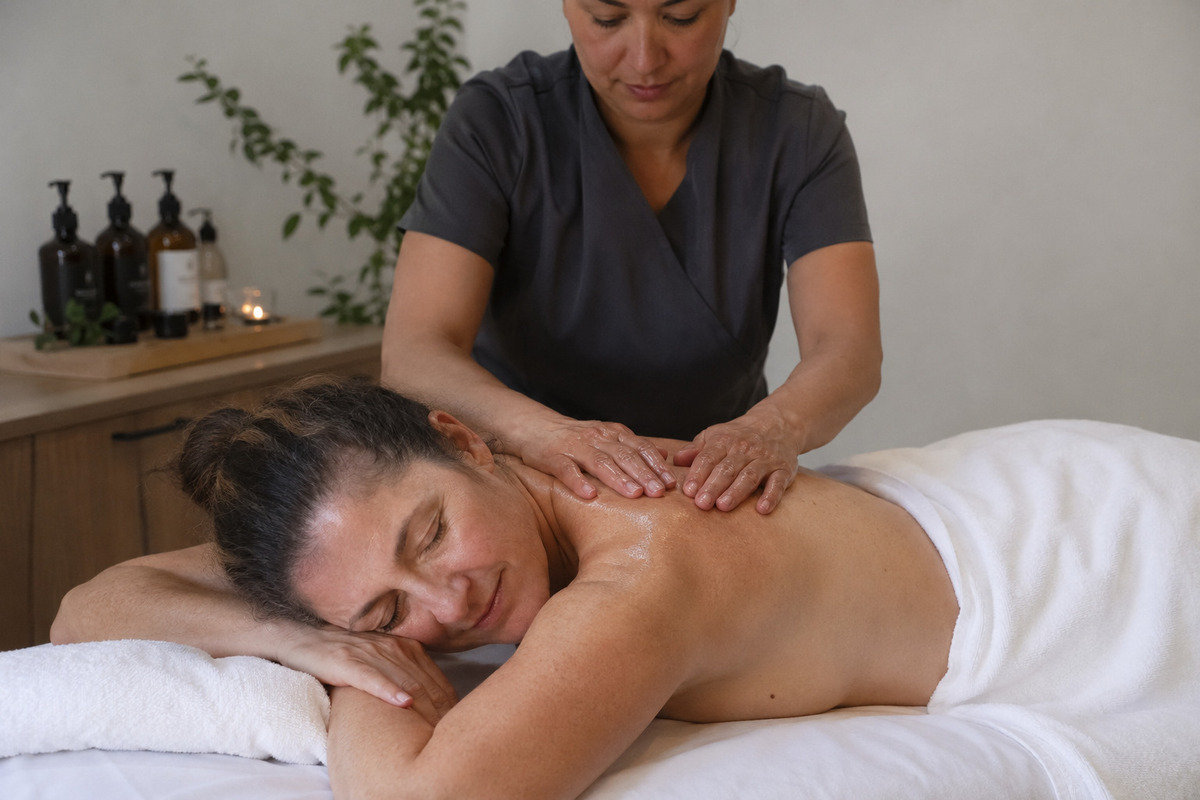
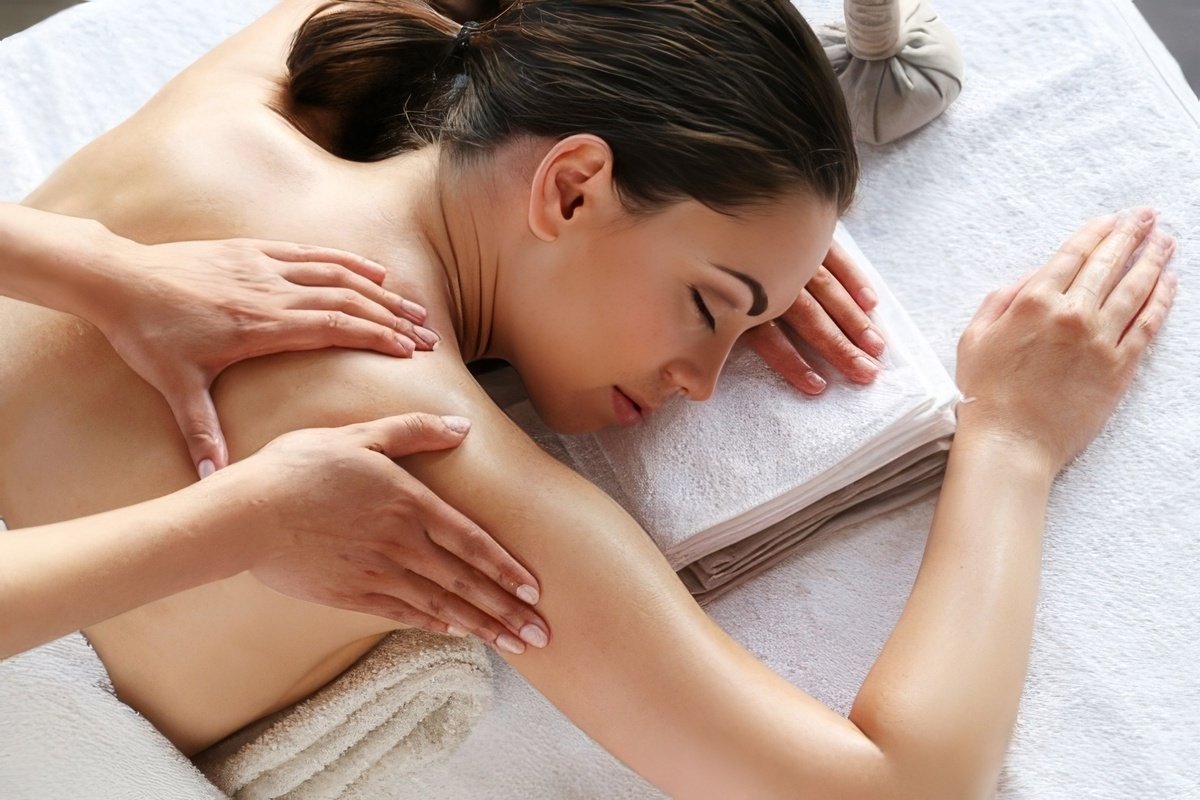
Physically, three days are ideal to relieve surface muscular tension. Gentle massages and hydrotherapy procedures – therapeutic water treatments harnessing the mechanical and thermal effects of water – can pleasantly circulate blood flow and relax stiff muscles in the back and neck. If you're feeling drained from a challenging period, need a moment to switch off your mind, and want to recharge your energy in a pleasant environment, a weekend stay is the right choice. It serves as a great preventative tool, but it does not replace targeted health or rehabilitation care.
If you’re plagued by chronic back pain, limited joint mobility, post-injury conditions, or enduring fatigue, a weekend wellness won't change your situation. It’s time for systematic therapy lasting fourteen days. Why is this longer time frame so crucial from a physiological standpoint?
During extended stays, the so-called cumulative effect fully manifests – meaning that the effects of individual treatments and therapeutic stimuli add up day by day, achieving a more stable and lasting result. We can break the whole process in the body into two key phases.
In the initial days, during the so-called adaptation phase, the body acclimates to the new regime and environment. Some people may experience a temporary adaptation reaction – which is a short-term and slight intensification of existing symptoms – although this is not always the case, and in its occurrence, it’s advisable to consult specialized medical personnel.
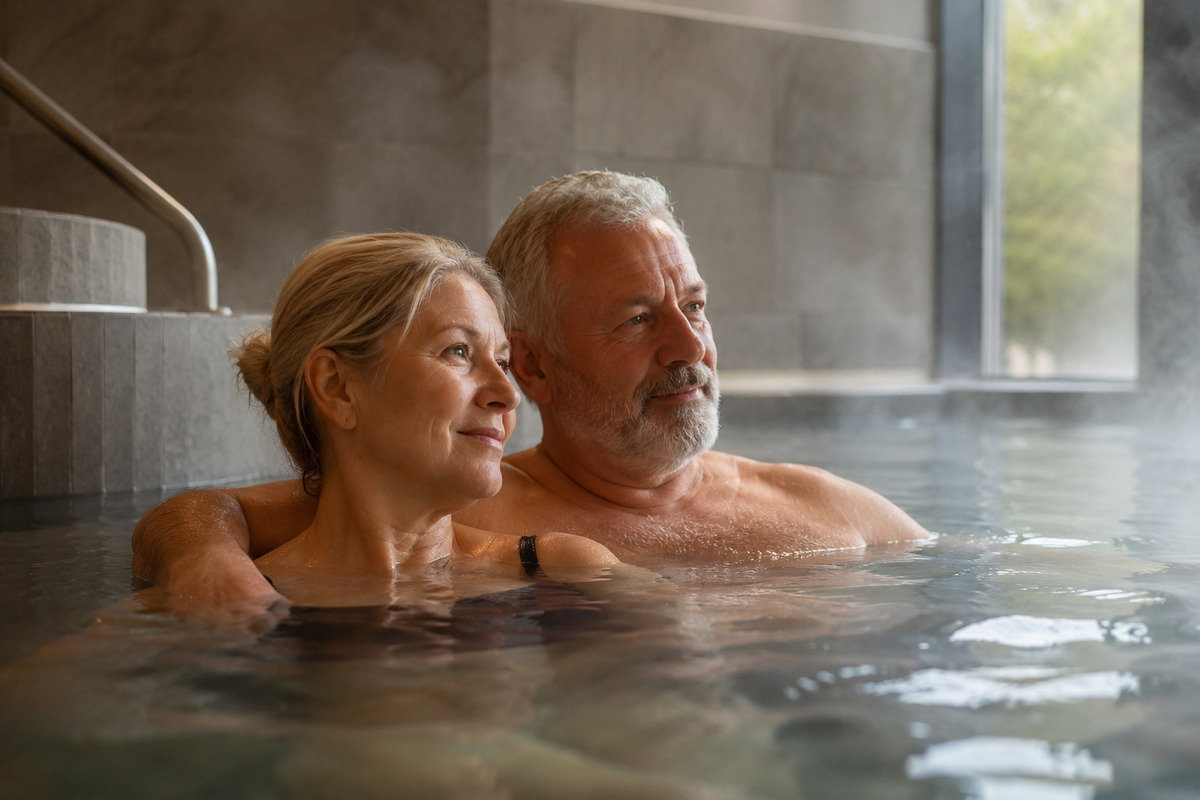
During the second week, the cumulative effect of the regular regime and treatments starts gradually reflecting for some. Here we see the advantages of balneotherapy – the use of natural healing resources, such as mineral waters or peloids, specialized terms for healing mud and peats. Warmth, the hydrostatic pressure of water, regular targeted exercise, and a generally calm routine collectively support circulation, relax deep muscles, and may enhance the subjective sensation of relief and overall well-being.
A two-week stay, with a well-tailored program, can bring several practical benefits. Muscles not only relax, but with controlled kinesiotherapy – treatment through movement and specialized exercise – guided by a physiotherapist, habitual movement stereotypes (the entrenched, often inaccurate movement habits and postures) can be corrected gradually. For some patients, regular and comprehensive spa therapy may contribute to long-term pain alleviation, reduction of weather sensitivity, and an overall enhancement in quality of life for several months. Additionally, if the stay includes a recommended drinking cure from a physician, the specific composition of mineral springs assists in supporting regular hydration and natural, physiological digestive processes.
An investment in your health should always be mindful and based on the real needs of your body. If morning fatigue inconveniently stems from stiffness and your joints prevent you from engaging in favorite activities, a weekend wellness retreat will only offer a momentary illusion of relief. In such cases, granting your body more time with systematic expert care may be necessary for it to adapt and gradually recover. This approach could augment long-term gains from regular rehabilitation allowing you to draw benefits even after returning home.
Conversely, if you're in good physical health and your only adversary is encountering temporary mental pressure or exhaustion from a fast-paced lifestyle, a short, premium retreat amid nature will perfectly accomplish its purpose and restore your lost vigor.
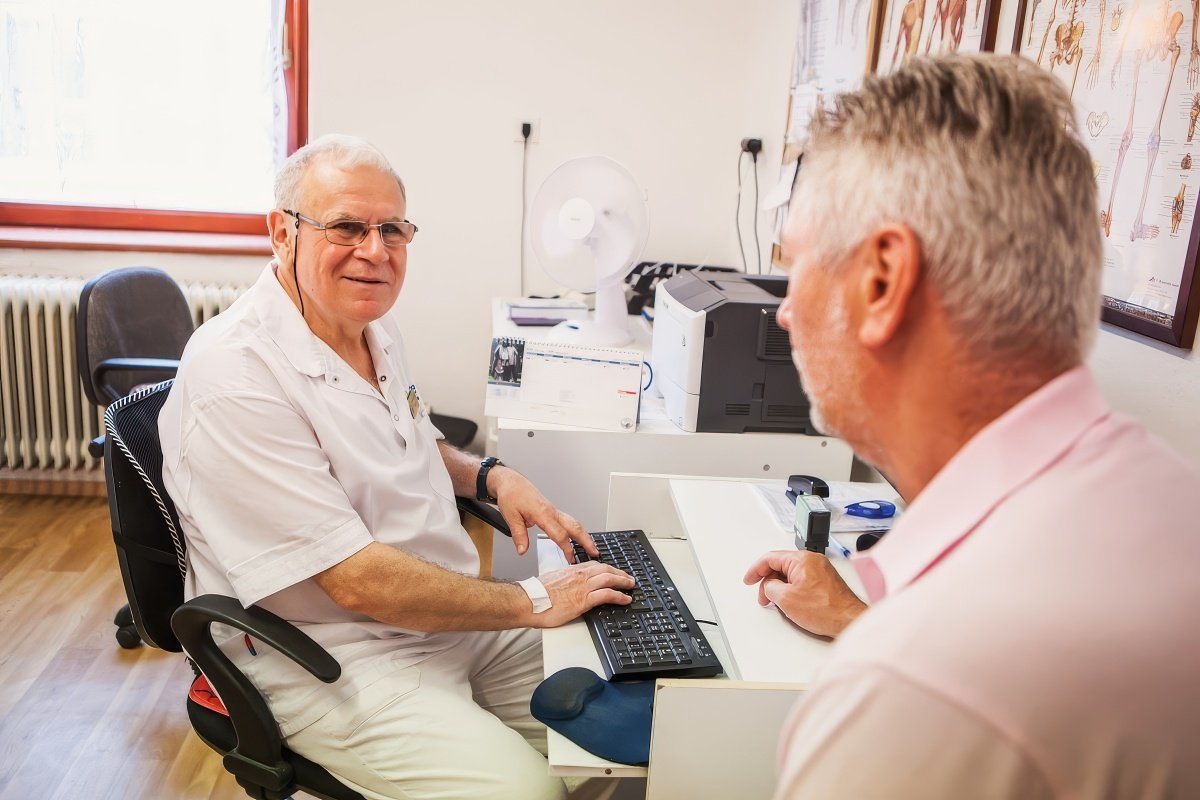
If you're unsure which type of stay is most suitable for your current conditions, we're here to help. At Sunflowers travel agency, we specialize in therapeutic and regenerative tourism options. Visit our website at sunflowers.sk for detailed information on specialized stays or directly contact us. We will assist you in navigating your choices according to your necessities and expectations – whether for deserved relaxation, targeted convalescence, or comprehensive spa care advised by a professional.




 for more than 25 years
 100% Guarantee
 verified by clients
 we will advise you